Section 1.1 Introducing... Your Math Department!
Welcome to your mathematics department! Whether you’re a freshman new to campus altogether, or you’re a seasoned college student starting a new journey in a mathematics program, getting to know your local community of faculty and peers is the best way to make this program your home.
Subsection 1.1.1 Community
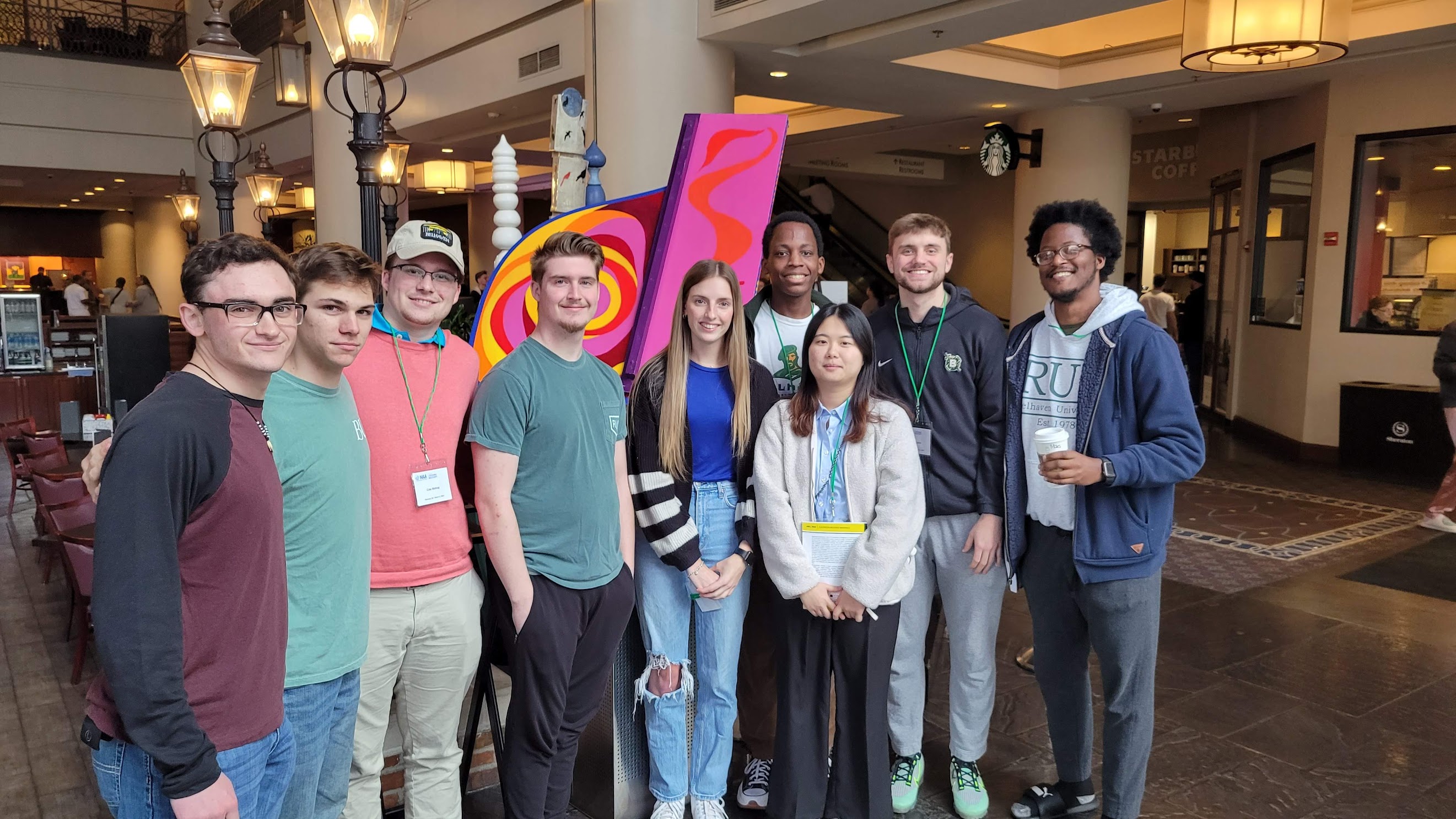
You’re probably here because you think math is, at some level, fun! And why should you have all that fun on your own, when you have several other peers who share that feeling with you?
If you want to get the most out of your mathematics program, the first thing you should do is connect with the commmunity of peers that are studying alongside you. Whether you consider yourself a natural mathematician, or someone who enjoys figuring out mathematical topics through hard work, the most successful math students are those who get involved early and often, so we encourage you to be an active part of your local mathematical community.
Here are some likely opportunities for you to get invovled. (Ask your instructor which ones are happening on your campus — if they aren’t, maybe you can be the one who makes it happen!)
Subsubsection 1.1.1.1 Math Club
Math clubs are student-led organizations that get together frequently to play games, eat some food, and (at least on occasion) sneak in some math! Club members typically help each other with resumes, networks, projects, and more.
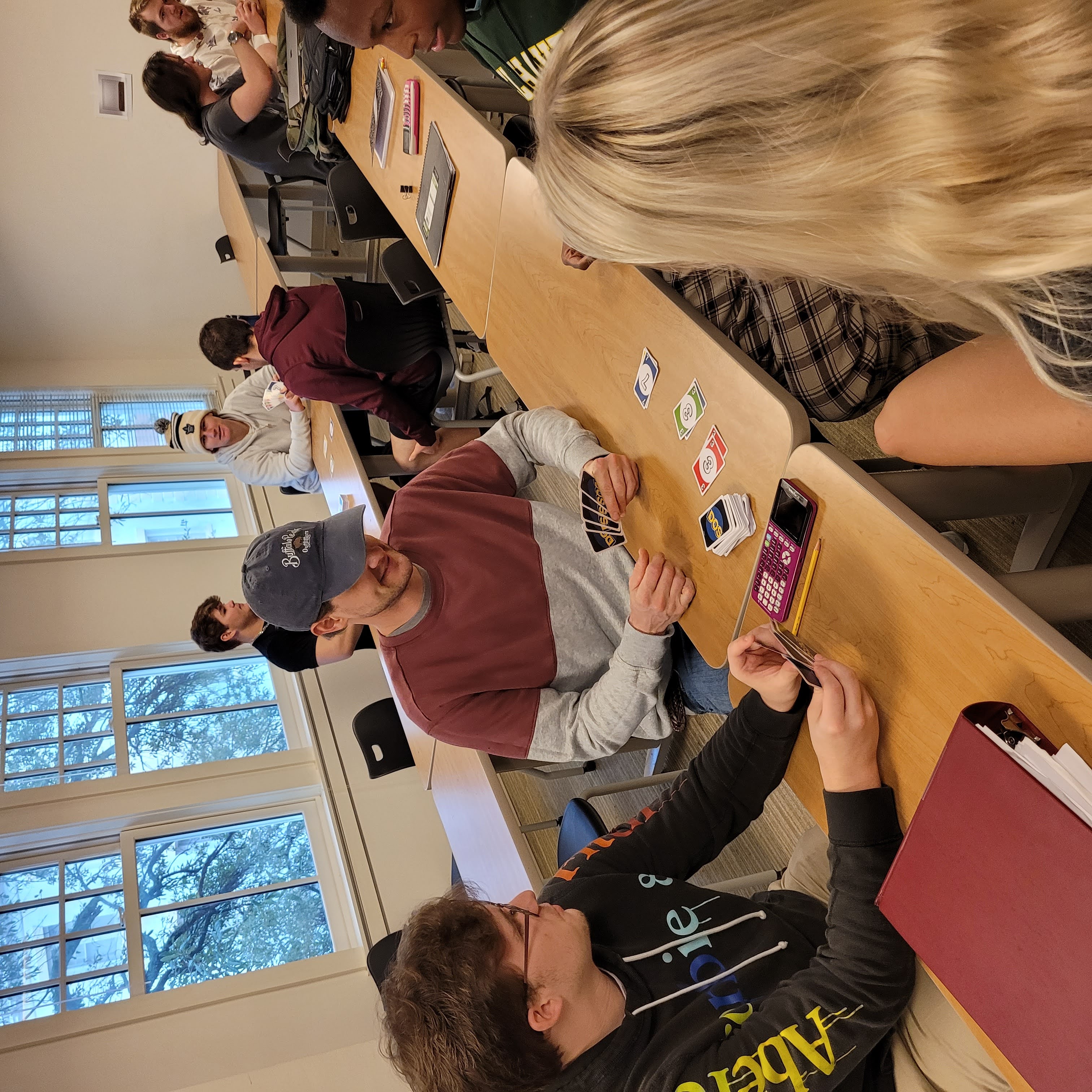
Math clubs are often registered organizations of their school’s student government association, which can mean they are eligible for appropriated funds paid from those student activities you cough up each semester. (No better way to pay for club refreshments, or even cover travel to an undergraduate math conference!)
Some clubs might be affiliated as student chapters of the Mathematical Association of America (MAA), or even the Association of Computing & Machining (ACM) if the club is in a joint mathematics and computer science department. In that case club membership could guarantee membership to one of these professional societies at a discounted rate — ask the club’s faculty advisor to learn more!
Subsubsection 1.1.1.2 Honors Societies
Several departments are associated with one or more disciplinary honor societies. One such society is Pi Mu Epsilon, dedicated to the promotion of mathematics and recognition of students who successfully pursue mathematical understanding. Honor societies often engage in the same kinds of activities as clubs (and frequently have joint meetings with the clubs to recruit future members), but are not open to all students: you’ll need to apply with a high enough GPA to be eligible for the honor.
1
pme-math.org
In addition to beefing up your resume for your future job search or graduate school applications, you’ll also be eligible to wear the cords of your honor society at graduation.
Subsubsection 1.1.1.3 Department and College Events
Showing up to department and college events is important to not only connect with peers in the math major, but also to network with your school’s broader STEM community. Often food is involved too...
Be on the lookout for:
-
Sporting events: your department or college may offer a tailgate for students and alumni before the football homecoming game.
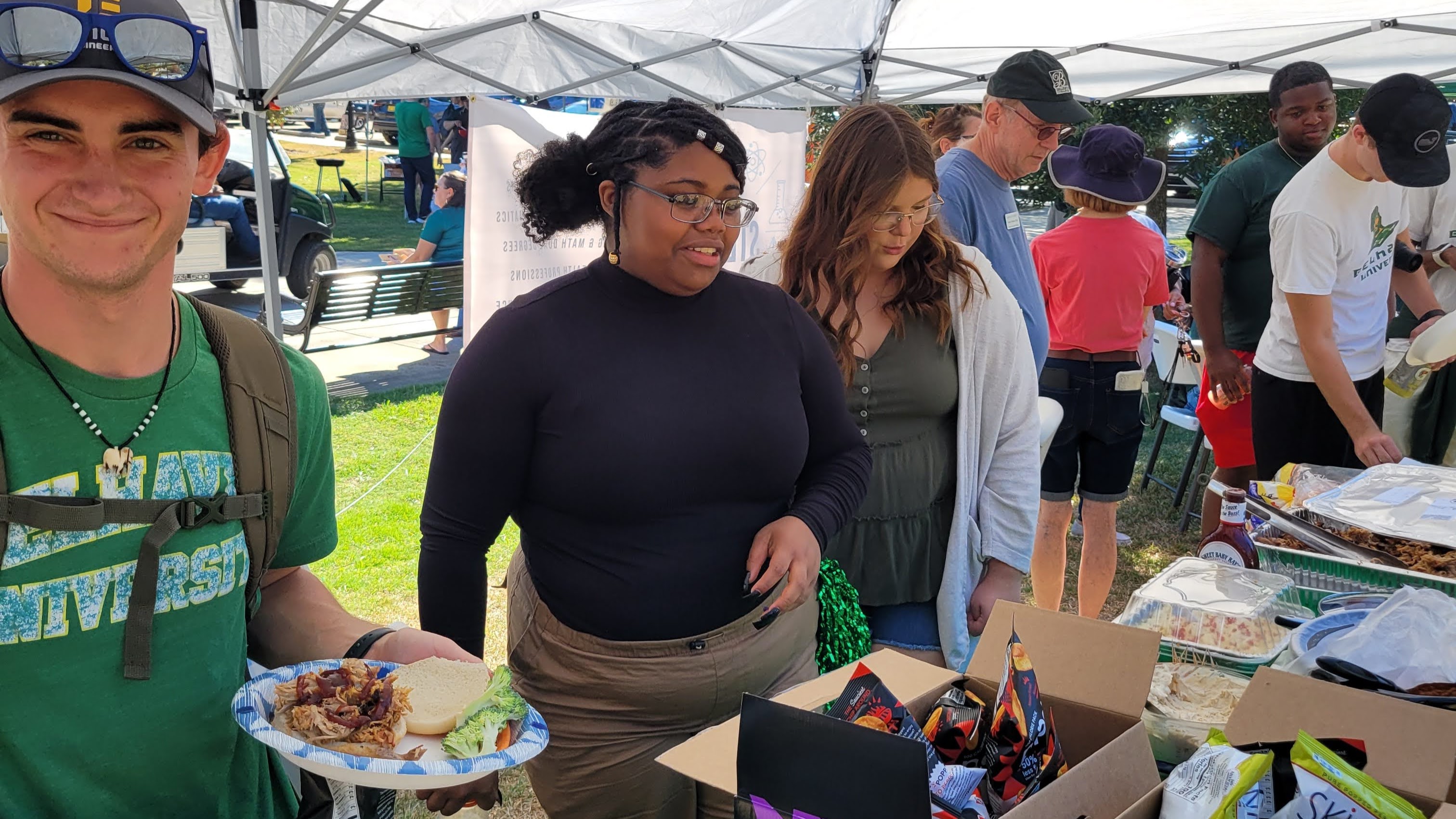
Figure 1.1.5. Belhavan students and alumni at their homecoming tailgate. -
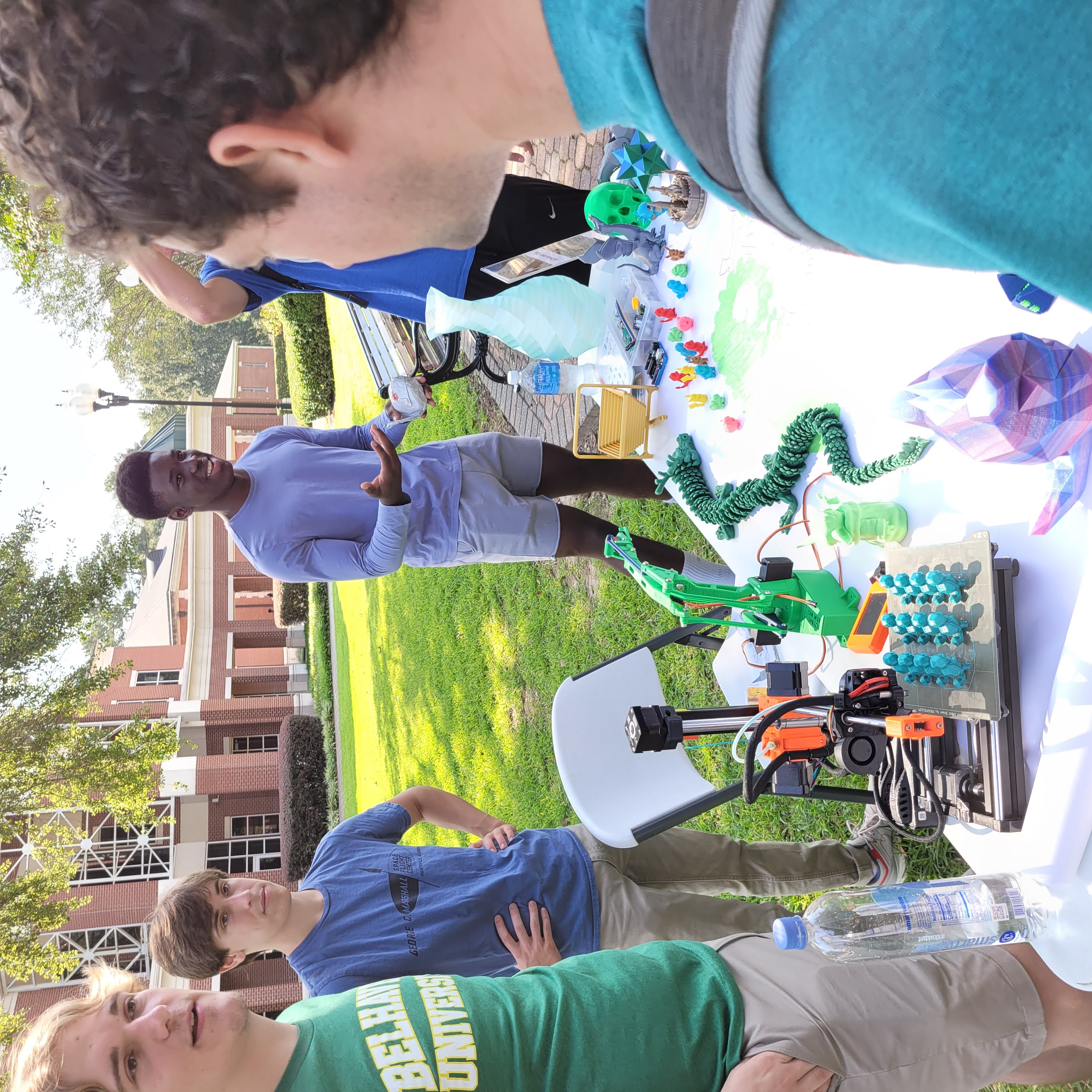
Outreach: Help us give back to your community by participating in events that get the public engaged in STEM! Many schools have programs such as math circles, puzzle festivals, and science fairs that can get everyone having fun while solving mathematical problems.
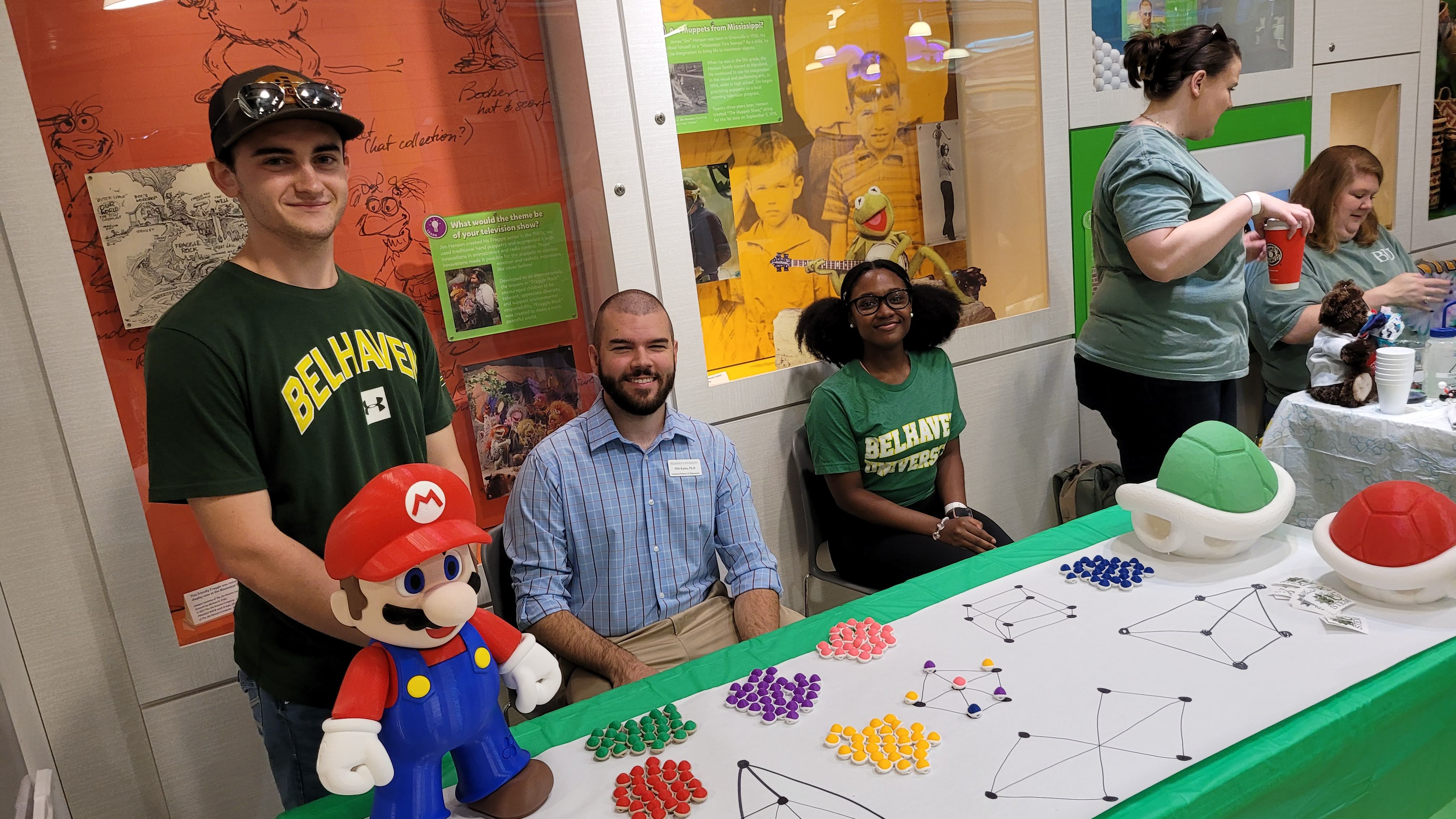
Figure 1.1.6. Belhavan students at their “Naturefest” outreach event.
Subsubsection 1.1.1.4 Connect and communicate with others
Good communication is criminally undervalued by some math students. Go talk to your professors! They want to know you better! Meet your classmates! They’re going to help you through your that tough assignmnent.
If your department has a social platform such as a Facebook group or Discord server, log in and join the conversation to stay in touch with everyone.
Subsection 1.1.2 Academic Experiences
Your degree is measured in credit hours. You’re taking classes ultimately to earn a degree. You’ll also expect some grades in those classes. BUT, be careful to not mistake earning grades and credit hours with learning! The goal of any quality mathematics department is provide an environment of learning that extends beyond grades and classrooms.
In addition to core classes such as Calculus and Linear Algebra your department delivers a number of extracurricular educational experiences that you should take as much advantage of as you can.
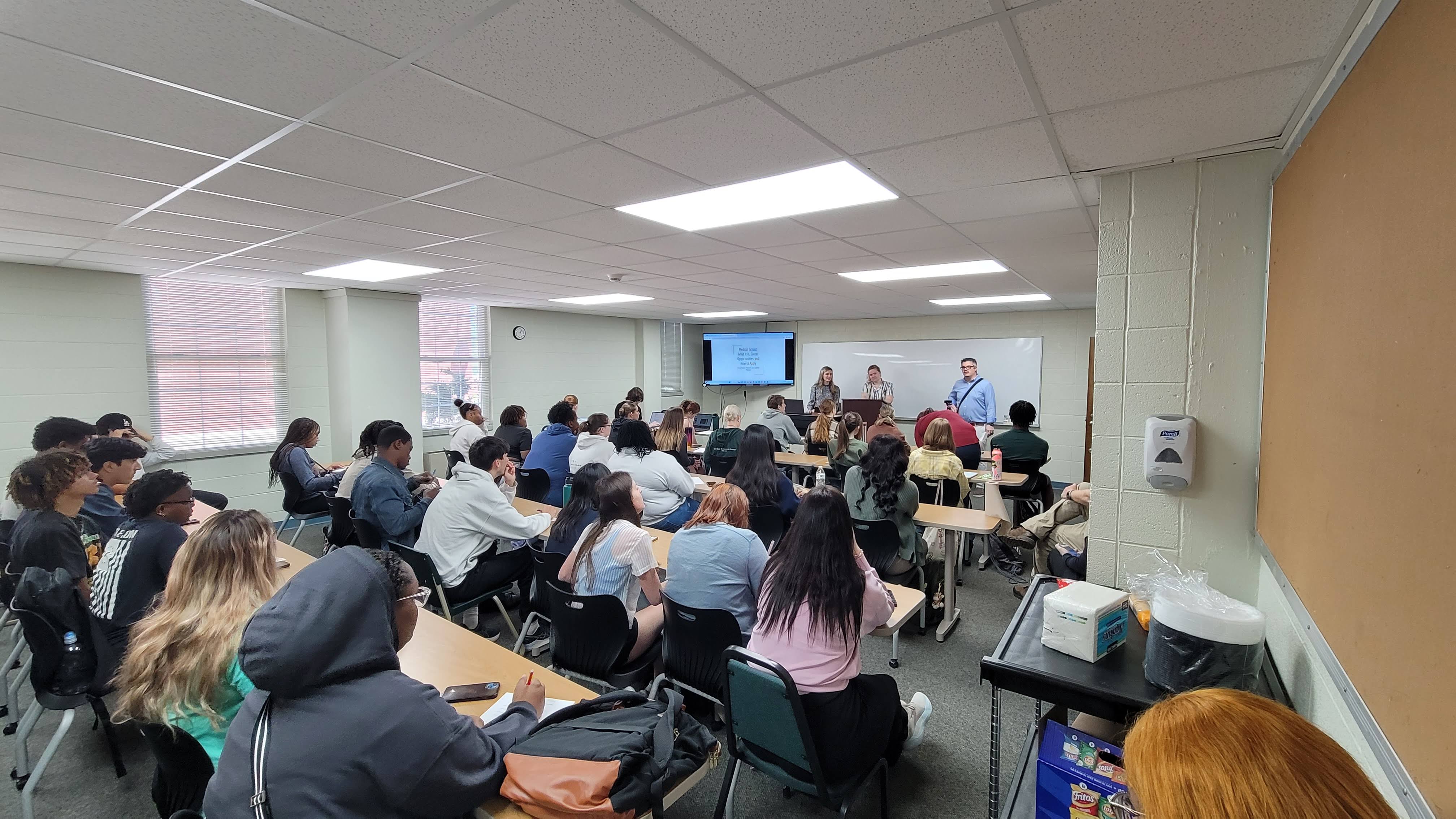
Subsubsection 1.1.2.1 Colloquia and Seminars
Have you ever had a friend ask, “Why study math; didn’t we figure out calculus centuries ago?” Typical courses may not do much to disabuse this misconception, as most undergraduate courses do focus on mathematics that have been studied for decades (if not centuries).
But that doesn’t mean new mathematics isn’t being discovered and solved every day! However, you aren’t likely to hear about it if you aren’t attending your department’s seminars or colloquiua.
It’s not a hard rule, but generally a colloquium is a presentation by a speaker invited to share their expertise with a broad audience, while a seminar is more focused to a particular subject area or audience. Ask your instructor what colloquia and seminars your department offers, and which ones are specifically appropriate for first-year mathematics students.
Subsubsection 1.1.2.2 Undergraduate Research
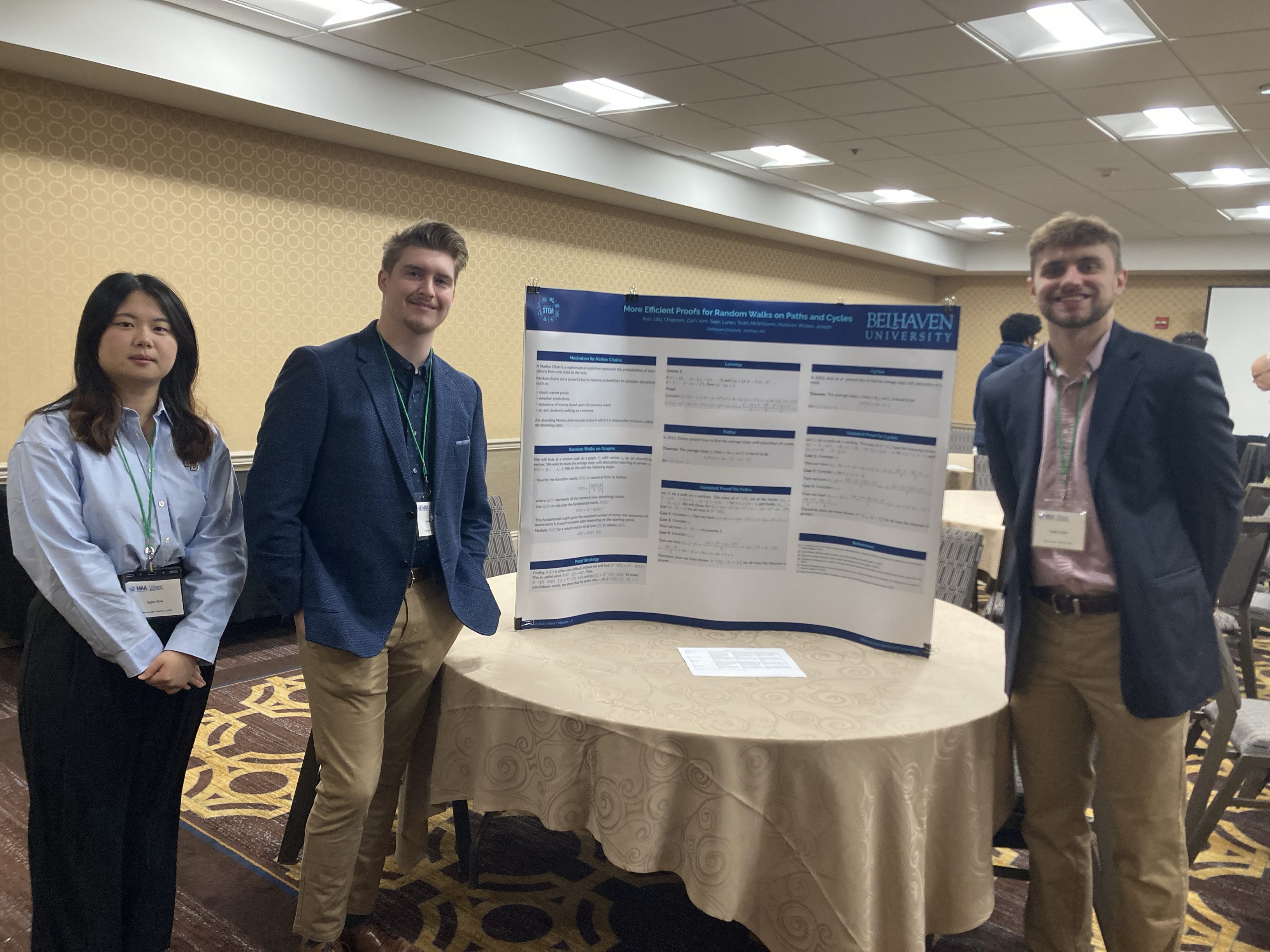
Of course, the best way to realize that mathematics is being discovered every day is to start researching it yourself! Your department and institution likely offer some kind of directed reading or thesis writing course designed to involve undergraduates in exploring ideas and conducting original mathematics research.
In addition to on-campus events, students who engage in research frequently have opportunities to travel to conferences and other meetings to present their findings. These meetings are organized by the Mathematical Association of America, the American Mathematical Society, and others.
Subsection 1.1.3 Double Majors and Minors
Earning a degree in mathematics on its own is a great way towards a future career as an instructor and/or researcher of mathematics, and there are several industries that recruit mathematics majors directly, including quantitative finance and cybersecurity.
But out of the many careers described in the book 101 Careers in Mathematics [1], the vast majority of these are held by people that studied a relevant double major or minor, or went on to graduate school in another field.
Ask your instructor what other majors and minors your school offers that pair well with the mathematics major or minor!

